EICR Check: 7 Critical Risks Landlords Cannot Afford to Ignore
An EICR check is one of the most important electrical safety steps a landlord can take. Whether you manage commercial units or domestic rental properties, your legal duty is clear — electrical systems must remain safe.
Many landlords assume that if the lights work and the sockets power appliances, everything is fine. Unfortunately, that is not how electrical faults behave. Problems often develop quietly behind walls and inside distribution boards. Without a proper EICR check, these hidden faults can escalate into fire risks, compliance breaches, and expensive emergency repairs.
In this guide, we explain why regular inspections matter, what the process involves, and how we help landlords protect their properties.
Why an EICR Check Matters for Landlords
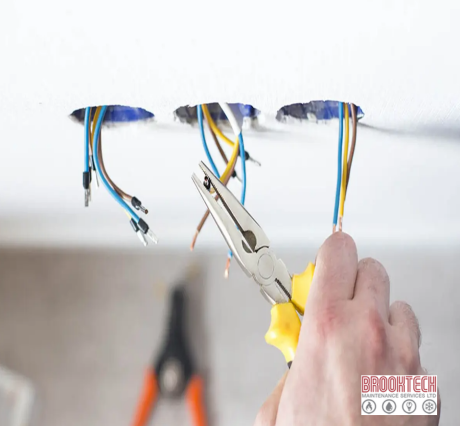
Electrical installations deteriorate over time. Connections loosen. Insulation weakens. Circuits become overloaded as tenants add more equipment. This happens gradually, which makes it easy to miss.
An EICR check identifies these risks before they become dangerous.
The Health and Safety Executive makes clear that landlords must maintain electrical systems safely. For domestic rental properties, legal requirements are set out by GOV.UK.
Regular inspections are not optional. They form part of your responsibility as a property owner.
What Is an EICR Check?
An EICR check (Electrical Installation Condition Report) is a detailed inspection and test of a property’s fixed electrical wiring.
It includes an examination of:
- Consumer units and distribution boards
- Circuits and cabling
- Earthing and bonding
- Protective devices
- Sockets, switches and fixed electrical points
After testing, a competent maintenance provider would provide a clear report outlining the condition of the installation and any action required.
The 7 Risks
1. Electrical Fires
Loose terminals and overloaded circuits generate heat long before visible damage appears. Over time, that heat can cause insulation failure or ignition.
An EICR check detects overheating components and faulty protection devices early. Acting on these findings significantly reduces fire risk.
2. Legal Exposure and Compliance Risk
For domestic rental properties in England, landlords must arrange an inspection at least every five years. Commercial properties also require regular inspection depending on usage and risk level.
If you cannot provide evidence of a valid EICR check, you risk:
- Fines
- Enforcement notices
- Insurance complications
- Damage to your professional reputation
3. Invalid Insurance Protection
Following an electrical incident, insurers often request proof of inspection. Without a current EICR check, claims may become difficult.
Keeping reports up to date protects your position and demonstrates responsible property management.
4. Lack of Tenant Safety and Confidence
Tenants expect safe premises. Whether they operate a business or live in your property, they rely on safe electrics every day.
An EICR check provides reassurance that the installation meets current safety standards. In commercial environments, this also supports reliable operation of HVAC systems, IT equipment and machinery.
5. Costly Emergency Repairs
Reactive repairs cost more. Emergency callouts disrupt tenants and strain relationships. Most major electrical failures begin as minor defects that go unnoticed.
By arranging a routine EICR check, you identify developing faults early and avoid unnecessary disruption.
6. Missed Opportunities
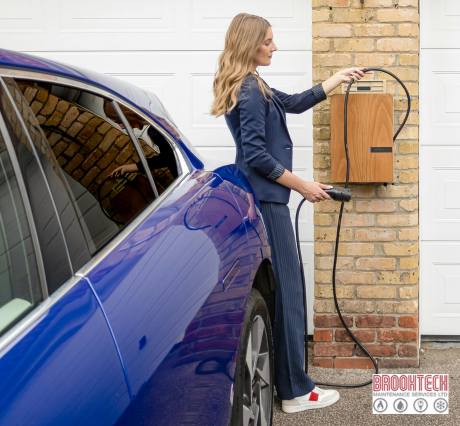
Many older properties were never designed for modern electrical demand. Additional appliances, EV chargers and electric heating systems increase load.
During an EICR check, we assess whether your installation can cope safely. Where upgrades are needed, a reliable maintenance company would give you clear advice and practical solutions.
7. Missed Inspections
If you manage several properties, tracking inspection dates can become complicated. We support landlords with structured inspection schedules that align with wider compliance requirements.
Integrating your EICR check into a broader maintenance programme ensures nothing gets missed.
How Often Should You Arrange an EICR Check?
- Domestic rental properties: at least every five years.
- Commercial premises: typically every five years, though some environments require shorter intervals.
- High-risk or heavily used installations may require more frequent inspection.
What Happens If Issues Are Found?
Observations are categorised clearly within the report. Some items require urgent action, while others highlight recommended improvements.
At Brooktech we explain every finding in straightforward terms and provide options for remedial work. Our goal is to keep your property safe without unnecessary disruption.
Why Landlords Choose Us for Their EICR Check
We carry out professional EICR check services for landlords across the North West. We support:
- Domestic rental properties
- Commercial offices and retail units
- Warehouses and industrial sites
- Care facilities and managed buildings
When you work with us, you receive:
- Thorough inspection and testing
- Clear, detailed reporting
- Practical advice
- Fast turnaround
- Integration with your wider maintenance needs
Because we also cover gas, plumbing, HVAC and mechanical services, we understand how building systems interact. That means we can identify linked risks and provide coordinated solutions under one trusted provider.
We focus on reliability, clear communication and minimal disruption to tenants.
If you are unsure when your last EICR check was completed, or you want to bring your portfolio up to date, contact us today. We will arrange a convenient inspection and help you stay compliant with confidence.